The Complete Guide to Renting a Car in Alaska: What to Know Before You Book 

rental car

Renting a car in Alaska can give you the freedom to explore on your own schedule, travel between communities, and stop whenever the landscape catches your attention.

It can also raise many questions.

Do you need an SUV? Is a rental car necessary in Anchorage? How far will you actually drive? Can you take the vehicle on every Alaska highway? What should you check before leaving the lot?

The answers depend on your season, route, lodging, travel style, and comfort behind the wheel.

This guide covers the most important things to know before renting a car in Alaska, from choosing a vehicle to planning for weather, distance, road restrictions, and unexpected changes.

Start With Your Trip, Not the Vehicle

It is easy to begin by comparing vehicle sizes and rental rates. A better place to start is with the trip itself.

Before booking, ask:

  • Where are you arriving?
  • Where will you stay?
  • Which communities or attractions do you want to visit?
  • How many people and how much luggage will you have?
  • What time of year are you traveling?
  • How comfortable are you with long-distance driving?
  • Will you return to the same location or finish in another city?

A visitor spending three days in downtown Anchorage has very different transportation needs from someone driving from Anchorage to Denali, Fairbanks, and the Kenai Peninsula.

Once you understand the trip you are actually taking, it becomes much easier to choose a vehicle that fits it.

Do You Need a Rental Car in Alaska?

Not every Alaska visitor needs a rental car.

If you are staying near downtown Anchorage, joining organized tours, taking a cruise, or using a hotel shuttle, you can build a trip without driving.

A rental car becomes more useful when you want to:

  • Travel beyond downtown areas
  • Visit multiple communities
  • Explore at your own pace
  • Carry luggage or outdoor equipment
  • Leave early in the morning or return late at night
  • Stop at viewpoints, restaurants, trailheads, and roadside attractions
  • Change plans based on weather or local recommendations

Public transportation, tours, and rideshares can work for specific itineraries. They usually offer less flexibility once you leave the main population centers.

The real question is not simply whether Alaska has transportation alternatives. It is whether those alternatives fit your route and schedule.

Rental Car, SUV, RV, or Peer-to-Peer Vehicle?

Travelers now have several ways to explore Alaska. Each option fits a different kind of trip.

A Standard Rental Car

A traditional rental car is often a good fit for:

  • Hotel-based vacations
  • Airport arrivals
  • City driving
  • Scenic day trips
  • Couples or small families
  • Travelers who want a straightforward pickup and return process

Cars are generally easier to park and more fuel-efficient than larger vehicles. They can work well on established highways and in urban areas during favorable conditions.

An SUV

An SUV may be useful when:

  • You have several passengers
  • You are carrying more luggage or outdoor gear
  • You want additional space and visibility
  • You prefer a larger vehicle for long drives
  • Seasonal conditions make a different vehicle class more comfortable

A larger vehicle is not automatically necessary for every Alaska trip. Choose based on your route and comfort rather than assuming bigger is always better.

An RV or Motorhome

An RV can be an excellent option when camping is a central part of the vacation.

It may make sense if:

  • You want transportation and lodging combined
  • You are planning a longer campground-based trip
  • You are comfortable driving a large vehicle
  • You have researched campground availability
  • Managing water, power, parking, and overnight logistics sounds like part of the experience

An RV also requires more planning. Travelers may need to consider fuel costs, campground reservations, hookups, dump stations, parking, and vehicle-size restrictions.

For visitors staying in hotels, lodges, cabins, or vacation rentals, a rental car is often the simpler fit.

A Peer-to-Peer Rental

Peer-to-peer rental platforms can work well for travelers who want a specific vehicle and are comfortable coordinating directly with an individual owner.

Before booking, ask:

  • Where will the vehicle be picked up?
  • What happens if your flight is delayed?
  • What support is available if the vehicle has a problem?
  • Are there road or mileage restrictions?
  • How does the return process work?
  • Can the reservation be extended if your plans change?

These options can be convenient, but the experience may vary by vehicle and host. Travelers beginning a long road trip may prefer the consistency of an established rental location.

Choose the Right Vehicle for the Season

Alaska driving changes dramatically throughout the year.

Summer

Summer offers long daylight hours and generally favorable highway conditions. It is also the busiest travel period.

When choosing a summer vehicle, consider:

  • Passenger and luggage space
  • Fuel efficiency
  • Driving distance
  • Parking
  • Whether you are staying on maintained roads
  • How early should you reserve during peak season

Do not assume every road is paved or that every route is permitted under a rental agreement.

Fall

Fall can bring changing weather, rain, early snow, shorter days, and reduced operating hours at some attractions.

Travelers should allow more time and check road conditions before longer drives.

Winter

Winter driving requires more preparation.

Depending on the location and vehicle, renters may need to understand:

  • Cold-weather starting procedures
  • Block heater use
  • Tire options
  • Snow and ice conditions
  • Reduced daylight
  • Longer stopping distances
  • Vehicle warm-up and defrost controls

Ask the rental team how the vehicle is prepared and what you should know before leaving.

Spring

Spring conditions can vary widely. Roads may be clear in one area and icy or slushy in another.

It is helpful to check local conditions rather than assuming the entire state is experiencing the same weather.

Alaska Distances Are Longer Than They Look

Alaska can be deceptive on a map.

A route may appear simple, but travel time can grow because of:

  • Construction
  • Weather
  • Wildlife
  • Fuel stops
  • Scenic pullouts
  • Road conditions
  • Meal breaks
  • Limited passing opportunities
  • Unexpected detours

Visitors also tend to stop more frequently than expected. That is part of the experience.

A drive is rarely just transportation between two points. It may include mountains, rivers, wildlife sightings, small communities, and viewpoints that were not part of the original plan.

When planning, give yourself more time than the navigation estimate suggests. Avoid scheduling a long drive immediately before a flight, tour, or other fixed reservation.

Why Unlimited Miles Matter

Mileage can add up quickly in Alaska.

A traveler may begin with a straightforward itinerary and then add a scenic route, a restaurant recommendation, an extra night outside town, or a second attempt to see wildlife or the Northern Lights.

Unlimited miles can make that flexibility easier by removing the need to calculate the cost of every additional drive.

This can be especially useful for trips involving:

  • Anchorage and Seward
  • Anchorage and Homer
  • Anchorage and Denali
  • Anchorage and Fairbanks
  • Fairbanks and Denali
  • Fairbanks and Chena Hot Springs
  • Multiple destinations on the Kenai Peninsula

Unlimited miles do not mean every road is permitted. Road restrictions and rental terms still apply.

Know Where You Are Allowed to Drive

One of the most important things to review before renting a car in Alaska is where the vehicle may be driven.

Some rental agreements prohibit travel on:

  • Unpaved roads
  • Certain remote highways
  • Roads not maintained by the state
  • Beaches, trails, or off-road areas
  • Routes outside an approved geographic area

A vehicle may be physically capable of traveling somewhere while the rental agreement still prohibits it.

Do not rely only on a map, travel forum, or another visitor’s experience. Ask the rental location directly whether your route includes gravel, remote, or less-traveled roads.

It is better to adjust the itinerary before departure than discover later that the route violates the agreement.

Review the Rental Agreement Before Leaving

Rental agreements contain important information about the vehicle, authorized drivers, return expectations, and potential charges.

Before signing, review:

  • Who is allowed to drive
  • Pickup and return times
  • The agreed return location
  • Fuel requirements
  • Mileage terms
  • Road restrictions
  • Optional coverage
  • Roadside assistance
  • Late return procedures
  • Extension procedures
  • One-way rental fees
  • Additional driver charges

Ask questions about anything unclear.

Many frustrating rental experiences come from misunderstandings that could have been resolved at the counter.

Inspect the Vehicle

Take a few minutes to inspect the car before leaving.

You should:

  • Photograph the exterior
  • Record existing scratches or damage
  • Check the windshield
  • Look at the tires
  • Confirm the fuel level
  • Verify that the lights and wipers work
  • Check that the required equipment is present
  • Make sure luggage fits safely

Save the photos until the rental has been fully closed.

This does not need to be complicated. A simple walkaround creates a clear record of the vehicle’s condition at pickup.

Learn the Controls Before You Leave

Vehicles can differ more than travelers expect.

Before driving away, locate:

  • Headlight controls
  • Windshield wipers
  • Defrost settings
  • Hazard lights
  • Fuel door release
  • Parking brake
  • Drive mode controls
  • Cruise control
  • Spare tire or inflation equipment, if provided

In winter, ask about the block heater, extension cord, and recommended plugging procedures.

It is easier to learn the controls in the parking lot than during a storm, on a dark highway, or while trying to clear a fogged windshield.

Plan Fuel Stops

Do not assume fuel will always be available at the next exit.

In and around major cities, finding gas is usually straightforward. On longer routes, stations can be farther apart and may have limited operating hours.

Before a long drive:

  • Begin with enough fuel
  • Identify likely fuel stops
  • Do not wait until the tank is nearly empty
  • Check hours in smaller communities
  • Consider the weather and possible delays
  • Keep the fuel return policy in mind

Your rental agreement may require the vehicle to be returned with the same amount of fuel it had at pickup. Save your final fuel receipt in case it is requested.

Download Maps Before Leaving Town

Cell service can become limited outside major communities.

Before traveling, download offline maps and save:

  • Your route
  • Hotel information
  • Rental location details
  • Fuel stops
  • Emergency contacts
  • Attraction addresses
  • Alternative routes

A paper map can also be useful.

Navigation apps are valuable planning tools, but they should not replace attention to posted signs, closures, weather, and local guidance.

Build Flexibility Into Your Schedule

Alaska trips rarely unfold exactly as planned.

The weather can change. A road may be delayed. Wildlife may stop traffic. A scenic stop may take longer than expected. An attraction may be closed or crowded.

A flexible itinerary is usually better than a tightly packed one.

Avoid planning several major destinations in a single day. Leave enough time to stop, rest, eat, refuel, and adjust.

The goal is not to cover the most miles. It is to enjoy the places you came to see.

What Happens If Something Goes Wrong?

Before leaving the rental location, understand who to contact if you experience:

  • A warning light
  • A flat tire
  • A lockout
  • A dead battery
  • An accident
  • Vehicle damage
  • A weather-related delay
  • A need to extend the rental

Save the rental location and roadside assistance numbers in your phone.

Do not arrange repairs independently unless the rental company specifically authorizes them. Contact the company first and follow its instructions.

Should You Book in Advance?

Reservations are strongly recommended during the summer travel season.

Availability can become limited around:

  • Major events
  • Holiday weekends
  • Cruise arrivals
  • Peak tourism months
  • Large conferences
  • Busy airport travel periods

Booking early also gives you a better chance of finding a vehicle class that fits your group and luggage.

Waiting until arrival can reduce your choices and may leave you with a vehicle that is larger, smaller, or more expensive than planned.

When a One-Way Rental Makes Sense

A one-way rental allows you to pick up a car at one location and return it at another.

This may be helpful if your itinerary includes:

  • Flying into Anchorage and departing from Fairbanks
  • Traveling between major communities
  • Combining a road trip with a cruise or rail journey
  • Avoiding the need to retrace your route

One-way availability and fees can vary by location and vehicle class. Confirm these details before building your itinerary around a one-way rental.

Why Travelers Choose AVIS Alaska

For travelers who decide a traditional rental car fits their trip, AVIS Alaska offers local rental options tailored for travel within the state.

Depending on the location and reservation, advantages may include:

  • Convenient airport pickup
  • Multiple Alaska locations
  • One-way rental options
  • Unlimited miles
  • Vehicle choices for different seasons and group sizes
  • Support from a team familiar with Alaska driving
  • Straightforward pickup and return procedures

The value is not simply having access to a car. It has a clear, practical transportation plan from the beginning to the end of the trip.

Final Alaska Car Rental Checklist

Before booking:

  • Define your route and lodging plans
  • Estimate passenger and luggage needs
  • Choose a vehicle for the season
  • Confirm mileage terms
  • Ask about road restrictions
  • Review pickup and return instructions
  • Reserve early during busy travel periods

At pickup:

  • Review the rental agreement
  • Add all authorized drivers
  • Confirm the fuel policy
  • Inspect and photograph the vehicle
  • Learn the controls
  • Save support numbers
  • Ask about seasonal equipment

Before each long drive:

  • Check the weather and road conditions
  • Download maps
  • Plan fuel stops
  • Leave extra time
  • Make sure your phone is charged
  • Tell someone your route when traveling remotely

At return:

  • Refuel as required
  • Remove personal belongings
  • Photograph the vehicle
  • Return it at the agreed time and location
  • Keep your receipt and rental documents

Choose the Rental That Fits the Alaska Trip You Are Actually Taking

Renting a car in Alaska is not only about finding transportation.

It is about choosing a vehicle and rental arrangement that fit your route, season, lodging, driving comfort, and plans.

A compact car may be perfect for one traveler. Another may need an SUV, an RV, or a one-way rental between cities. The right answer depends on the trip.

Choose the vehicle that fits the Alaska trip you are actually taking, understand the agreement before leaving, and give yourself enough flexibility to enjoy what happens between destinations.

In Alaska, the journey is rarely just the space between two points. It is often the part you remember most.

Rental Car, RV, or Turo? How to Choose the Best Way to Explore Alaska This Summer

avis alaska rental vehicle

Choose the Vehicle That Matches the Trip You’re Actually Taking

One of the first decisions travelers make when planning an Alaska vacation isn’t where to go. It’s how they’re going to get around.

Should you rent an RV and turn driving into part of the adventure? Book a peer-to-peer rental through an app like Turo? Or stick with a traditional rental car?

The answer depends less on the vehicle itself and more on the type of trip you’re planning.

Alaska is enormous. Distances are longer than they appear on a map. The weather can influence plans. Scenic stops become unexpected detours. What seems like a simple drive from Anchorage to Seward can easily turn into an all-day experience once you factor in wildlife sightings, overlooks, restaurants, and photo opportunities.

That’s why the best advice we can give is simple:

Choose the vehicle that matches the trip you’re actually taking, not just the trip you imagined before looking at the map.

Let’s look at the strengths and tradeoffs of each option.

When an RV Makes Sense

For many travelers, an RV is part of the Alaska dream.

You have transportation and lodging combined into one experience. You can wake up surrounded by mountains, cook meals at campgrounds, and travel at your own pace.

An RV may be a great fit if:

  • Camping is a major part of your vacation
  • You’re planning a multi-week trip
  • You enjoy campground travel
  • You’re comfortable driving a larger vehicle
  • You’ve already researched campground availability

For some travelers, the RV isn’t just a means of transportation. It’s the vacation itself.

However, RV travel comes with additional planning. Campgrounds often require reservations, especially during peak summer months. Parking can be more challenging in towns, trailheads, and visitor centers. Fuel costs are generally higher, and you’ll need to think about hookups, water tanks, and overnight accommodations.

None of these is a dealbreaker. They’re simply factors to consider when deciding whether an RV fits the type of Alaska trip you’re planning.

When a Peer-to-Peer Rental Like Turo Might Work

Peer-to-peer rentals have become increasingly popular because they offer a different experience than traditional rental companies.

In some cases, travelers may find unique vehicles or pickup arrangements that fit their plans.

This option can work well if:

  • You’re staying primarily in one area
  • Your arrival and departure schedule is flexible
  • You’re comfortable coordinating directly with an individual vehicle owner
  • You prefer app-based booking platforms

Before booking, it’s worth asking a few practical questions:

  • Where will I pick up the vehicle?
  • What happens if my flight is delayed?
  • What support is available if the vehicle has an issue?
  • Are there any restrictions on where I can drive?
  • How easy is it to extend my reservation if my plans change?

For some travelers, these logistics are perfectly manageable. For others, especially those flying into Alaska and immediately beginning a road trip, simplicity becomes more valuable.

Why Many Alaska Visitors Choose a Traditional Rental Car

For travelers planning to stay in hotels, lodges, cabins, or vacation rentals, a rental car often offers the simplest path from arrival to adventure.

A traditional rental car can be a great fit if:

  • You’re flying into Alaska
  • You’re visiting multiple destinations
  • You’re staying in hotels or vacation rentals
  • You want flexibility without additional logistics
  • You prefer a straightforward pickup and return process

Many Alaska visitors discover that their vehicle becomes more than transportation. It’s what allows them to stop at roadside viewpoints, take spontaneous detours, linger at a scenic overlook, or change plans when someone recommends a hidden gem they hadn’t considered.

That kind of flexibility can be one of the best parts of traveling in Alaska.

Airport Convenience Matters

After a long flight, most travelers aren’t looking for another logistical challenge.

They’re looking for a smooth start to their trip.

This is one area where traditional rental cars often shine.

Instead of coordinating pickup locations or arranging transportation to meet a vehicle owner, travelers can typically pick up their vehicle shortly after landing and start their journey immediately.

For families, business travelers, and visitors with limited vacation time, convenience often becomes more valuable than expected.

Easier Parking Means Easier Exploring

Alaska road trips involve a lot of stopping.

You might stop for:

  • Wildlife viewing
  • Scenic overlooks
  • Local coffee shops
  • Restaurants
  • Hiking trails
  • Visitor centers
  • Museums
  • Roadside attractions

A rental car or SUV often makes these stops easier than navigating a larger RV.

Downtown Anchorage, Seward, Homer, Fairbanks, and many popular trailheads offer parking, but smaller vehicles typically provide greater flexibility when you’re moving from place to place throughout the day.

For travelers who want to maximize exploration and minimize logistics, that’s a meaningful advantage.

Less Time Managing Logistics, More Time Exploring

One of the biggest differences between vehicle options is the amount of planning they require.

RV travel often includes:

  • Campground reservations
  • Utility hookups
  • Water management
  • Dump stations
  • Vehicle size considerations
  • Overnight parking decisions

A traditional rental car generally simplifies the process.

Instead of planning around the vehicle, you’re planning around the experiences you want to have.

For many travelers, especially first-time visitors to Alaska, that simplicity makes a big difference.

Why Unlimited Miles Matter in Alaska

This is one detail many travelers overlook.

In most destinations, mileage isn’t something people think about very often.

In Alaska, it’s different.

The state is vast. Distances between destinations add up quickly. Even a carefully planned itinerary can change once you’re here.

Maybe someone recommends an extra stop.

Maybe you decide to drive farther for better weather.

Maybe you discover a scenic route that wasn’t on your original plan.

Unlimited miles allow you to make those decisions without constantly worrying about distance.

Because some of the best experiences in Alaska happen when you decide to keep driving just a little farther.

Match Your Vehicle to Your Itinerary

Before choosing a vehicle, ask yourself a few simple questions:

Are you camping or staying in hotels?

If camping is central to your trip, an RV may make sense.

If you’re staying in hotels, lodges, cabins, or vacation rentals, a rental car is often the simpler option.

How much driving do you plan to do?

Long distances are common in Alaska. Comfort and flexibility matter.

How important is spontaneity?

If you want the freedom to change plans, take detours, and explore at your own pace, simplicity becomes a major advantage.

How comfortable are you driving a large vehicle?

Alaska roads are generally accessible, but some travelers prefer the ease of driving and parking a standard vehicle.

The Bottom Line

There isn’t one perfect way to see Alaska.

An RV can be an incredible choice for travelers who want camping and transportation rolled into one experience.

A peer-to-peer rental may fit travelers looking for a specific vehicle or flexible arrangement.

A traditional rental car often makes the most sense for visitors who value flexibility, simplicity, easier parking, airport convenience, and the freedom to explore Alaska on their own terms.

The best vehicle isn’t necessarily the biggest, the newest, or the most adventurous.

It’s the one that fits the trip you’re actually taking.

And in Alaska, having the freedom to follow the road wherever it leads is often what makes the journey unforgettable.

Renting a Car in Alaska: What Most Travelers Don’t Realize Until It’s Too Late

Renting a Car in Alaska Isn’t Like Anywhere Else

A lot of people search for “car rental Alaska” expecting it to work the same way it does everywhere else.

Pick a car. Grab the keys. Start driving.

And technically, that’s true.

But Alaska has a way of exposing the gaps in that thinking very quickly.

Distances are longer than they look. The weather changes faster than expected. And the difference between a good rental decision and a bad one is not convenience—it’s your entire experience.

Before you book a car in Alaska, it’s worth understanding what actually makes this place different.

The First Surprise: Distances Don’t Mean What You Think

On a map, everything looks close.

In reality:

  • A “short drive” can easily be an hour
  • Gas stations can be far apart
  • Cell service is not always reliable

That quick trip you planned? It may turn into a half-day outing.

This is why your vehicle choice matters more than most people expect. Comfort, reliability, and fuel awareness all become part of the equation.

The Second Surprise: You’re Probably Going to Need a Car

Unlike major cities, Alaska is not built around public transportation.

Even in Anchorage or Fairbanks:

  • Transit options are limited
  • Rideshares are not always available
  • Many destinations are outside city limits

If your goal is to actually see Alaska—not just stay in one area—a car is not optional for most travelers.

The Third Surprise: Weather Changes Everything

Alaska driving conditions can shift quickly, sometimes within the same day.

In summer:

  • Long daylight hours encourage longer drives
  • Roads are generally clear, but construction and distance matter

In winter:

  • Snow and ice are expected
  • Daylight is limited
  • Cold temperatures affect vehicles differently

This is where many travelers underestimate what they need.

It’s not just about getting from point A to B. It’s about being prepared for the conditions in between.

What Most Rental Sites Don’t Tell You

When you search “rent a car Alaska,” most results focus on availability and price.

What they don’t explain well is how different the experience can be once you leave the lot.

Not All Vehicles Are Equal for Alaska

A compact car might be fine in summer, but less ideal in winter or on longer drives.

Preparation Matters More Than Features

Things like:

  • Tires suited for conditions
  • Cold-weather readiness
  • Visibility and comfort

…matter more than things like trim level or tech features.

Your Plans Might Change

Alaska trips have a way of evolving:

  • Weather shifts plans
  • You discover new places
  • Drives take longer than expected

Flexibility matters more than locking into a rigid plan.

Common Mistakes First-Time Renters Make

Most issues travelers run into are not about the rental itself—they’re about expectations.

Choosing Based on Price Alone

The cheapest option is not always the best fit for Alaska conditions.

Underestimating Drive Time

What looks like a quick trip can take much longer.

Not Asking Questions at Pickup

A quick walkthrough of the vehicle can make a big difference, especially in winter.

Trying to Do Too Much

Alaska rewards slower, more flexible travel.

What a Good Rental Experience in Alaska Actually Looks Like

A good rental experience here feels different.

It’s not just about the transaction—it’s about being set up properly.

That usually includes:

  • A vehicle suited for the season
  • Clear understanding of how it works
  • Confidence in changing conditions
  • Support if something unexpected happens

The best experiences happen when travelers feel prepared, not rushed.

So… Do You Need to Rent a Car in Alaska?

For most people, yes.

If you’re planning to:

  • Explore beyond a single downtown area
  • Visit national parks or scenic drives
  • Travel on your own schedule

A rental car gives you the flexibility to do that.

The real question is not whether you need a car.

It’s whether you’re choosing the right one for how Alaska actually works.

Final Thoughts

Searching for “car rental Alaska” is easy.

Understanding what that actually means for your trip takes a little more thought.

Alaska is one of the few places where your transportation choice directly shapes your experience. The more you understand that going in, the better your trip will be.

Fairbanks Airport Car Rental: What to Expect When You Land at FAI

You Land in Fairbanks. Here’s What Happens Next.

Fairbanks is not a place where you want to figure out transportation after you arrive.

For most travelers, whether you’re visiting for work, chasing the Northern Lights, or heading toward Denali, your rental car is what allows the trip to actually begin.

The good news is that renting a car at Fairbanks International Airport is straightforward. The better news is that knowing what to expect ahead of time makes it even easier.

Where to Find Rental Cars at Fairbanks Airport

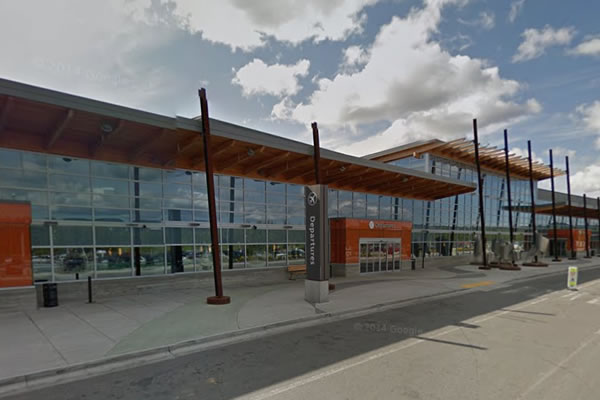
Fairbanks International Airport is small and easy to navigate. Once you land and head toward baggage claim, you are already close.

Rental car counters are located directly inside the terminal near the baggage claim area.

If you are flying in on a commercial airline:

  • Look for the red AVIS counter inside the terminal
  • Counters are clearly marked and easy to find

If you are arriving another way:

  • Private or commuter flights: Call upon arrival for pickup
  • Arriving by train: Call when you arrive and a pickup can be arranged

This flexibility is important in Fairbanks, where not everyone arrives the same way.

What the Pickup Process Actually Looks Like

The process at FAI is simple compared to larger airports.

Here is what most travelers experience:

  1. Head to the rental counters inside the terminal
  2. Confirm your reservation and license
  3. Review your rental agreement and options
  4. Walk to your vehicle, typically located just across from the terminal

Many customers note that the location is easy to find and vehicles are close by, which helps you get on the road quickly.

If you have a reservation, you can usually expect to be in your vehicle without long delays, even during busy periods.

If You’re Not Flying Commercial

Fairbanks is different from most cities in how people arrive.

If you are:

  • Flying into a smaller regional or charter flight
  • Arriving by rail
  • Coming in outside typical airline schedules

Transportation support becomes more important.

In those cases:

  • Pickup can be arranged with a quick phone call
  • Drop-off service is available when returning your vehicle
  • A scheduled shuttle to the train station departs at 7:00 am daily

This kind of coordination is something many travelers do not think about until they arrive.

Choosing the Right Vehicle in Fairbanks

This matters more here than almost anywhere else.

Fairbanks has one of the most extreme climates in the world:

  • Summer can reach 90°F
  • Winter can drop to -60°F

Because of this, rental vehicles are prepared differently than in most places.

In winter, vehicles often include:

  • Block heaters with extension cords for overnight use
  • Ice scrapers and snow tools
  • Tires suited for winter conditions

These are not extras. They are part of being able to reliably start and drive your vehicle in cold temperatures.

What First-Time Renters Usually Worry About

Many people arrive with concerns based on past rental experiences. Here is how those typically play out in Fairbanks.

“Is it hard to find the counter?”

No. The airport layout is simple, and rental counters are located right near baggage claim.

“What if my car doesn’t start in the cold?”

Extreme cold can affect any vehicle. What matters is preparation and support. Vehicles are equipped for winter, and staff are familiar with cold-weather issues.

“Will I get stuck with something I can’t drive?”

You are reserving a vehicle class, not a specific model. If you are unsure, ask questions before leaving the lot. Staff can help match your comfort level with the right vehicle.

“What if something goes wrong?”

Customer service matters more in Alaska than in most places. Travelers often remember how situations were handled more than the issue itself.

What Customers Notice Most

Based on real experiences:

  • Staff who take time to explain the vehicle and conditions
  • Vehicles equipped for winter realities, not just basic use
  • Simple pickup and return process
  • Support when unexpected issues come up

One traveler mentioned receiving a vehicle with a block heater, scraper, and extension cord already included. Another noted how staff stayed outside in extreme cold to help troubleshoot a vehicle issue.

Those details matter more here than almost anywhere else.

What to Know Before You Drive Away

There are a few important things to keep in mind before leaving the lot:

  • Driving on unpaved or restricted roads may not be allowed
  • Always check your vehicle before leaving and document condition
  • Familiarize yourself with controls, especially defrost and heating
  • In winter, plan where you will plug in your vehicle overnight

Taking five extra minutes at pickup can save you a lot of stress later.

Why Renting at the Airport Makes Sense in Fairbanks

Fairbanks is spread out, and many destinations are not accessible without a vehicle.

  • Denali is about 2.5 hours away
  • Chena Hot Springs is about an hour outside town
  • Northern Lights viewing often requires leaving city areas

Public transportation and rideshare options are limited, especially outside peak hours.

Having a vehicle gives you control over your time, your route, and your experience.

Final Thoughts

Renting a car at Fairbanks International Airport is not complicated. But Alaska is not a place where details can be ignored.

Knowing where to go, what to expect, and how vehicles are prepared for local conditions makes a real difference.

For most travelers, the rental car is not just transportation. It is what makes everything else possible.

How to Choose Between Leasing vs. Long-Term Rental in Alaska: What AVIS Alaska Offers

Understanding the Difference

If you need a vehicle for more than a few weeks but less than a few years, you may be weighing the choice between leasing and long-term renting. Both options can provide access to a newer, reliable car without the long-term commitment of ownership, but they serve different needs.

Leasing is best suited for individuals who plan to keep the same car for two to four years and are willing to commit to a fixed contract. Renting, on the other hand, offers greater flexibility and convenience for those whose schedules, assignments, or living situations change more frequently.

For many people in Alaska, especially those in Anchorage with temporary assignments, seasonal jobs, or uncertain timelines, a long-term rental can offer the right balance of independence and freedom.

Leasing a Car: The Structured Option

Leasing is like a long-term contract. You select a specific vehicle and agree to drive it for a set period, typically two to four years. The lease locks you into that car for the entire term, and breaking the agreement early can result in significant penalties.

Advantages of Leasing:

  • Lower monthly payments compared to financing a purchase
  • Access to newer vehicles with advanced technology and warranty coverage
  • The option to buy the car at the end of the lease term
  • Predictable costs for long-term, consistent use

Disadvantages of Leasing:

  • Strict mileage limits, often around 10,000 to 15,000 miles per year
  • Long-term commitment that is difficult or expensive to end early
  • Routine maintenance and minor repairs are your responsibility
  • No ownership equity when the contract ends
  • Requires good credit and a longer approval process

Leasing can be a wise choice if you plan to stay in one place, drive a consistent amount each year, and want a new car every few years. However, for those with uncertain timelines or changing travel needs, leasing can be restrictive.

Renting a Car: The Flexible Alternative

Renting offers flexibility that leasing cannot match. It is ideal for people who need reliable transportation for a few weeks, months, or a season. AVIS Alaska now offers long-term rental options that provide the comfort and stability of a lease without the commitment.

Advantages of Renting:

  • Freedom to rent by the day, week, or month without long-term contracts
  • Fast approval and minimal requirements beyond a valid driver’s license and payment method
  • Insurance options are available directly through the rental company
  • Easy vehicle swaps if your needs change
  • The company handles maintenance and major repairs, keeping you on the road without hassle

Disadvantages of Renting:

  • For multi-year use, leasing may be more cost-effective
  • Limited ability to choose the exact make and model
  • Potential for additional fees if the car is returned in poor condition

Renting works best for professionals and locals who value convenience and flexibility. It allows you to adjust your transportation as your schedule or environment changes, which is especially useful in Alaska’s dynamic seasons.

When to Rent a Car

Renting is the best option when your needs are temporary or flexible.

  • Short to Medium Duration: Ideal for stays of a few days, weeks, or up to several months.
  • Immediate Need: Ideal when you need a vehicle right away for work, travel, or while your personal car is in the shop.
  • Flexibility: Ideal for individuals who want the option to extend or terminate their rental without incurring penalties.
  • No Long-Term Obligation: Suited for those who do not want the commitment of a multi-year lease.
  • Lower Barriers: Works well for individuals who may not meet credit requirements for leasing.

This makes long-term rentals a natural fit for traveling nurses, military members, corporate visitors, and seasonal contractors who expect to be in Alaska for several weeks or months at a time.

When to Lease a Car

Leasing is better when you want a fixed arrangement and expect to use the same vehicle for several years.

  • Consistent, Predictable Use: You know how much you will drive and can stay within mileage limits.
  • Long Duration: You plan to remain in Alaska for two years or more.
  • Preference for New Vehicles: You like having the latest technology and safety features.
  • Credit and Stability: You qualify for favorable lease terms and prefer a fixed monthly payment schedule.

A lease might be a suitable option for permanent residents or businesses maintaining a steady presence in Anchorage who do not require short-term flexibility.

What This Means for AVIS Alaska Customers

AVIS Alaska’s expanded long-term rental options fill the gap between short-term rentals and multi-year leases. Customers can now enjoy the dependability of having their own vehicle for months at a time without the restrictions or lengthy commitments of a traditional lease.

This approach allows for:

  • Simplified rental agreements that can adapt to changing needs
  • Easy renewals without reapplying or switching vehicles
  • AVIS Alaska’s experienced team handles maintenance and roadside assistance
  • Reliable, winter-ready vehicles suited for Alaska’s challenging conditions

These long-term rental options are designed for flexibility and convenience, providing drivers with the confidence of a lease and the freedom of a rental.

The Alaskan Advantage

Alaska’s environment is unpredictable, and so are many of the reasons people come here. Seasonal work, short-term assignments, relocations, and extended travel all require dependable transportation without unnecessary complications.

A long-term rental gives you the ability to drive a safe, winter-ready vehicle for exactly as long as you need it. When your project, contract, or stay is complete, return the car and move on to your next adventure. There are no penalties, no waiting period, and no long-term paperwork.

Locals can benefit too. Whether you need a second vehicle during the winter months, are waiting for a new car to arrive, or have your primary vehicle in for repairs, a long-term rental offers the same convenience and reliability with none of the long-term obligations.

The Bottom Line

Choosing between leasing and renting depends on what matters most to you. Leasing provides long-term stability but requires a greater commitment and financial responsibility. Renting provides flexibility, convenience, and immediate access to a dependable vehicle when you need it most.

With AVIS Alaska’s long-term rental options, you can enjoy the comfort of a consistent, well-maintained car with the freedom to adjust as life changes. Whether you are serving, working, or simply living life in Alaska’s ever-changing conditions, AVIS Alaska ensures you are ready for the road ahead on your own terms.